



Catholic Social Teaching
What is Catholic Social Teaching?
Catholic Social Teaching (CST) is the Church’s wisdom about building a just society and living lives of holiness. It is rooted in Scripture, Church tradition, and the dignity of every human person. It offers principles from the Catholic Church on how to treat others and the world. It acts as a moral compass, guiding us to make fair and kind choices, especially in difficult times. Catholic Social Teaching emphasises that every person has inherent value, regardless of their background or beliefs.
Catholic Social Teaching helps shape a moral foundation for pupils and the school community. It...
◦Promotes respect, compassion, and justice.
◦Builds a culture of inclusion and belonging.
◦Connects faith to action in daily school life.
◦Encourages pupils to see themselves as agents of change.
Catholic Social Teaching at Ss Peter and Paul
At Ss Peter and Paul, we follow the nine main principles of Catholic Social Teaching. This is taught through our religious education curriculum, a regular focus in our Celebrations of the Word and is integrated into the Catholic life of the school.
Nine Main Principles of Catholic Social Teaching
Human Dignity – Everyone is special
The Common Good – Thinking of everyone
Participation – Taking part
Subsidiarity – Everyone should have a say
Stewardship – Caring for creation
Solidarity – Showing we care
Preferential option for the poor – Putting people most in need first
Distributive Justice – Sharing fairly
Promoting Peace – Being peacemakers
---------------------------------------------------------------------------------------------------------
Human Dignity - Everyone is special
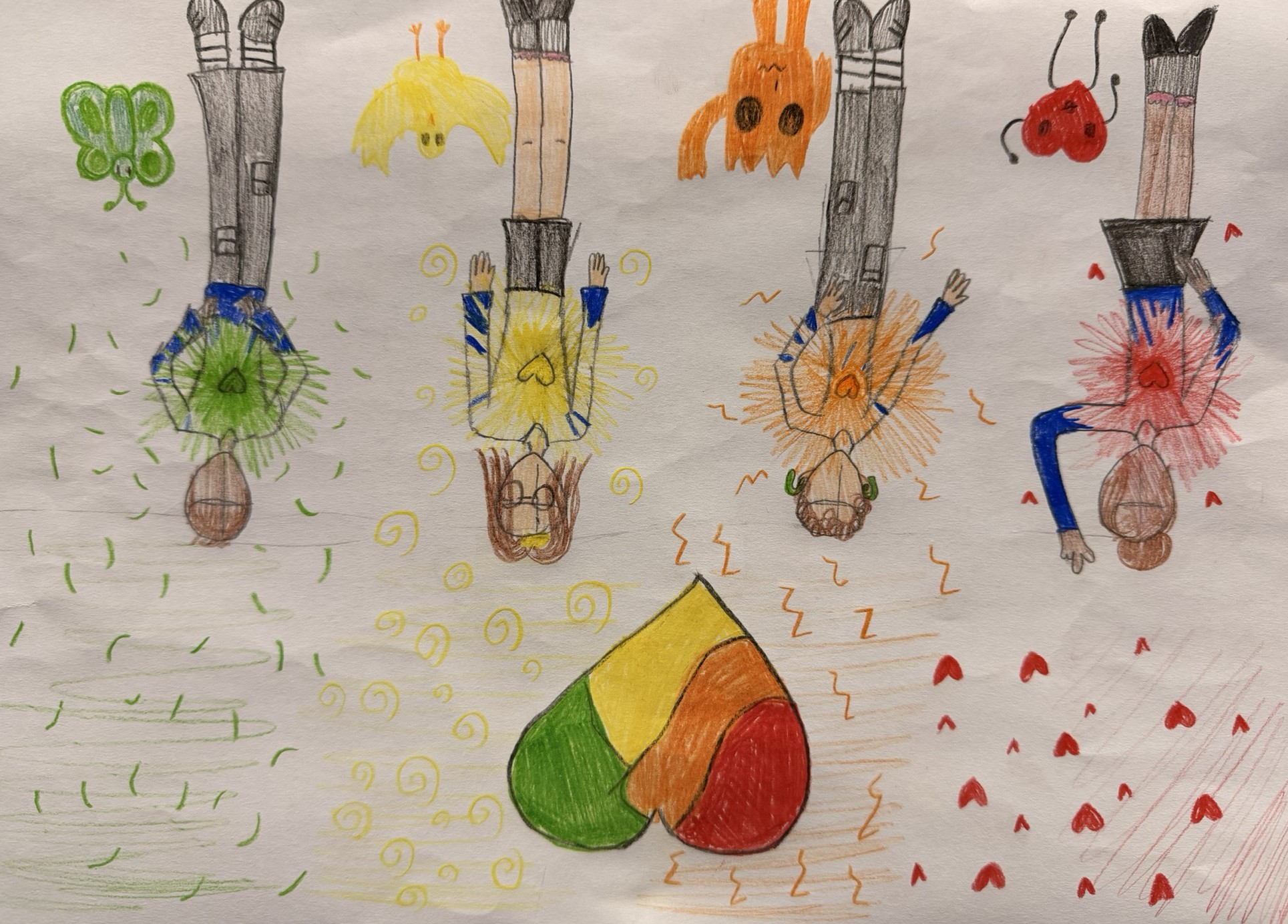
Each of us is made in God’s image. Every person has an innate human dignity no one can take away. Our common humanity requires that we respect and uphold the dignity of each and every individual. Everything else flows from this dignity. Human persons are willed by God; they are imprinted with God’s image. Their dignity does not come from the work they do, but from the persons they are.
Key Statement: We are beautifully made in the image and likeness of God.
---------------------------------------------------------------------------------------------------------
The Common Good -
Thinking of everyone
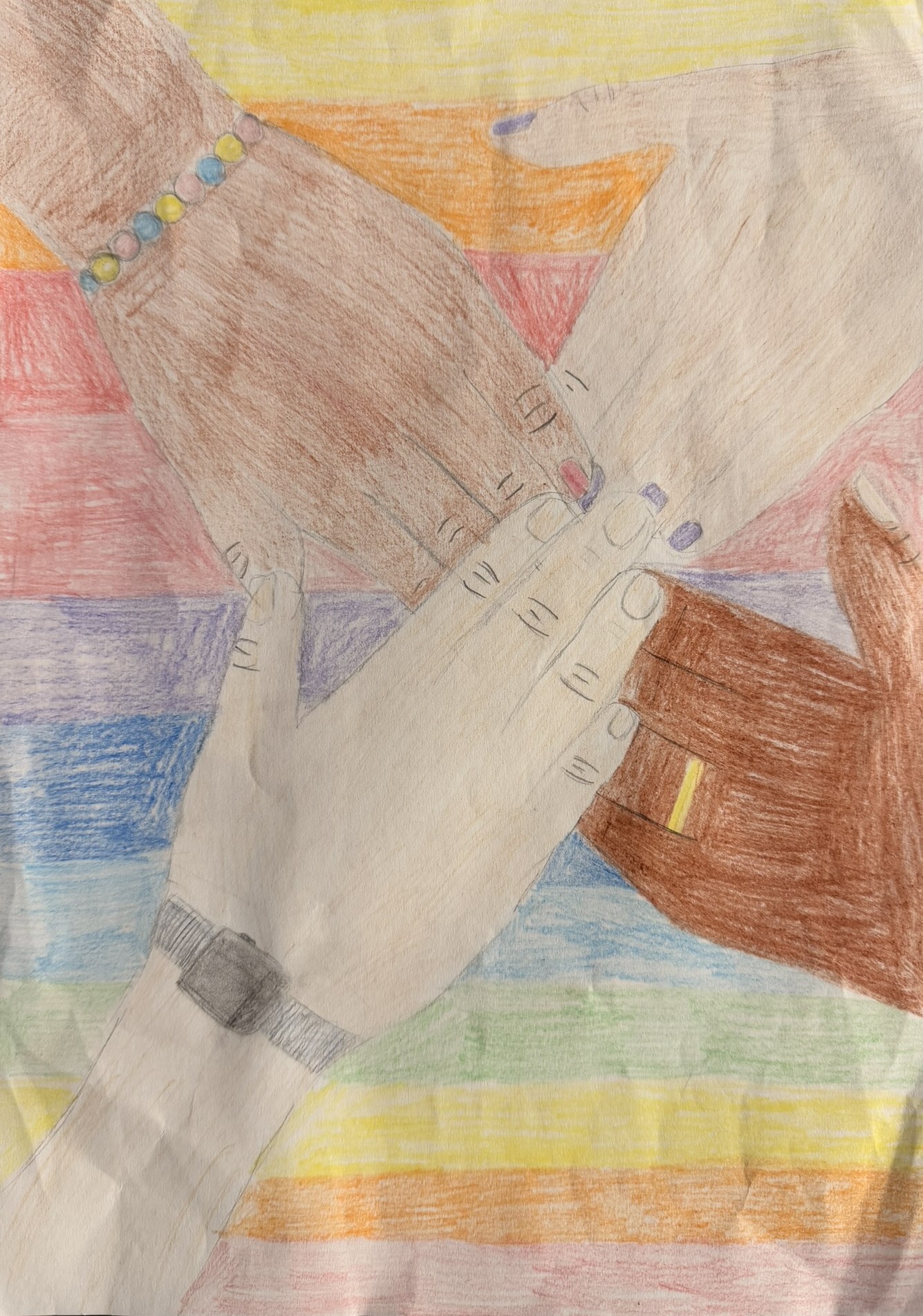
Our actions have an impact on everyone. When we make decisions, we should consider the good of all. The common good is about respecting the rights and responsibilities of all people and leaving no one behind.
Key Statement: We are called to work for the good of each and for all.
---------------------------------------------------------------------------------------------------------
Participation - Taking Part
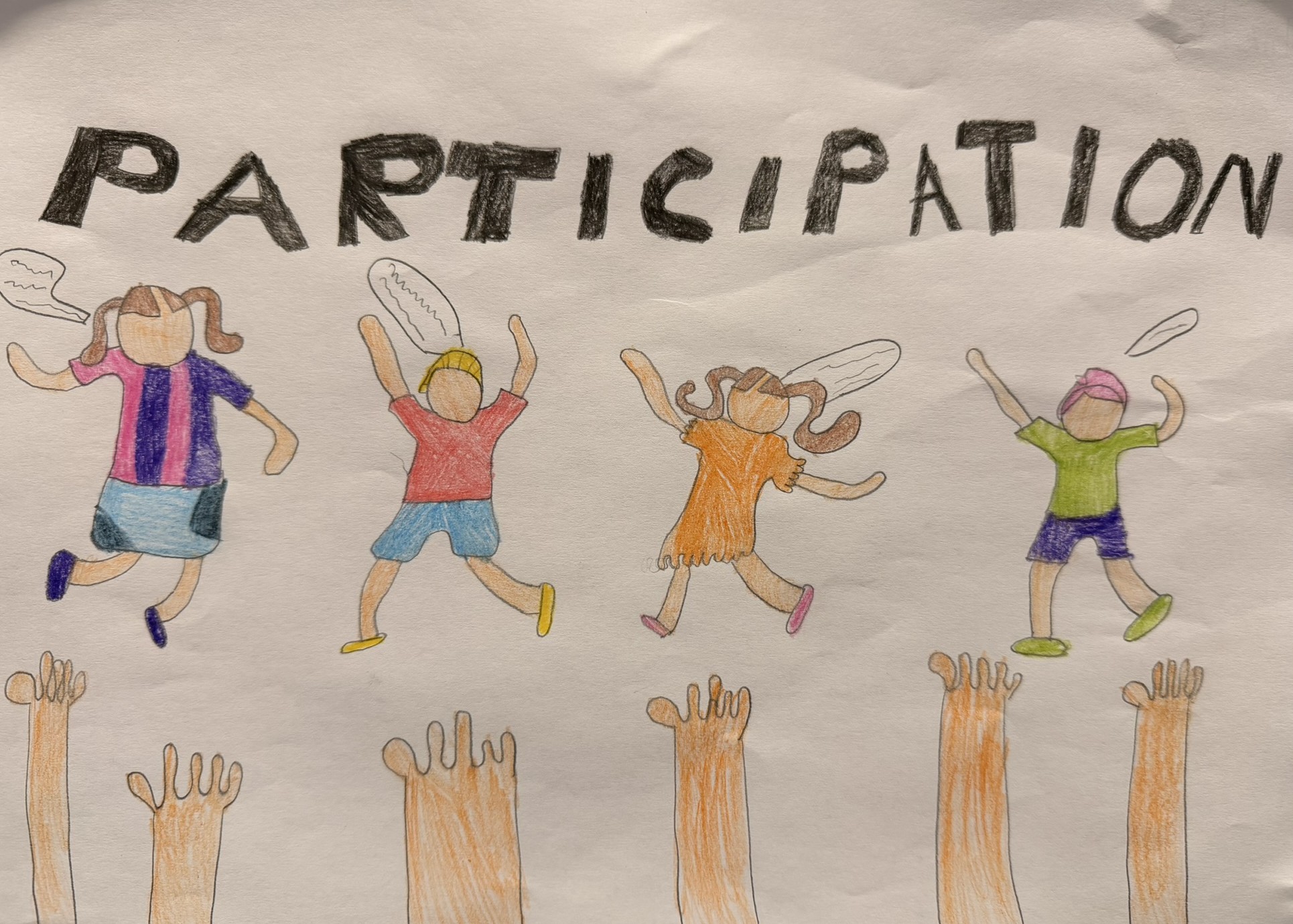
We all have the right and duty to participate fully in society. We live in community with others, growing together. We are called to be active participants in all that we do.
We have a responsibility to be inclusive so that we allow all people to participate
Key Statement: We all have the right and duty to participate fully in society.
---------------------------------------------------------------------------------------------------------
Subsidiarity -
Everyone should have a say
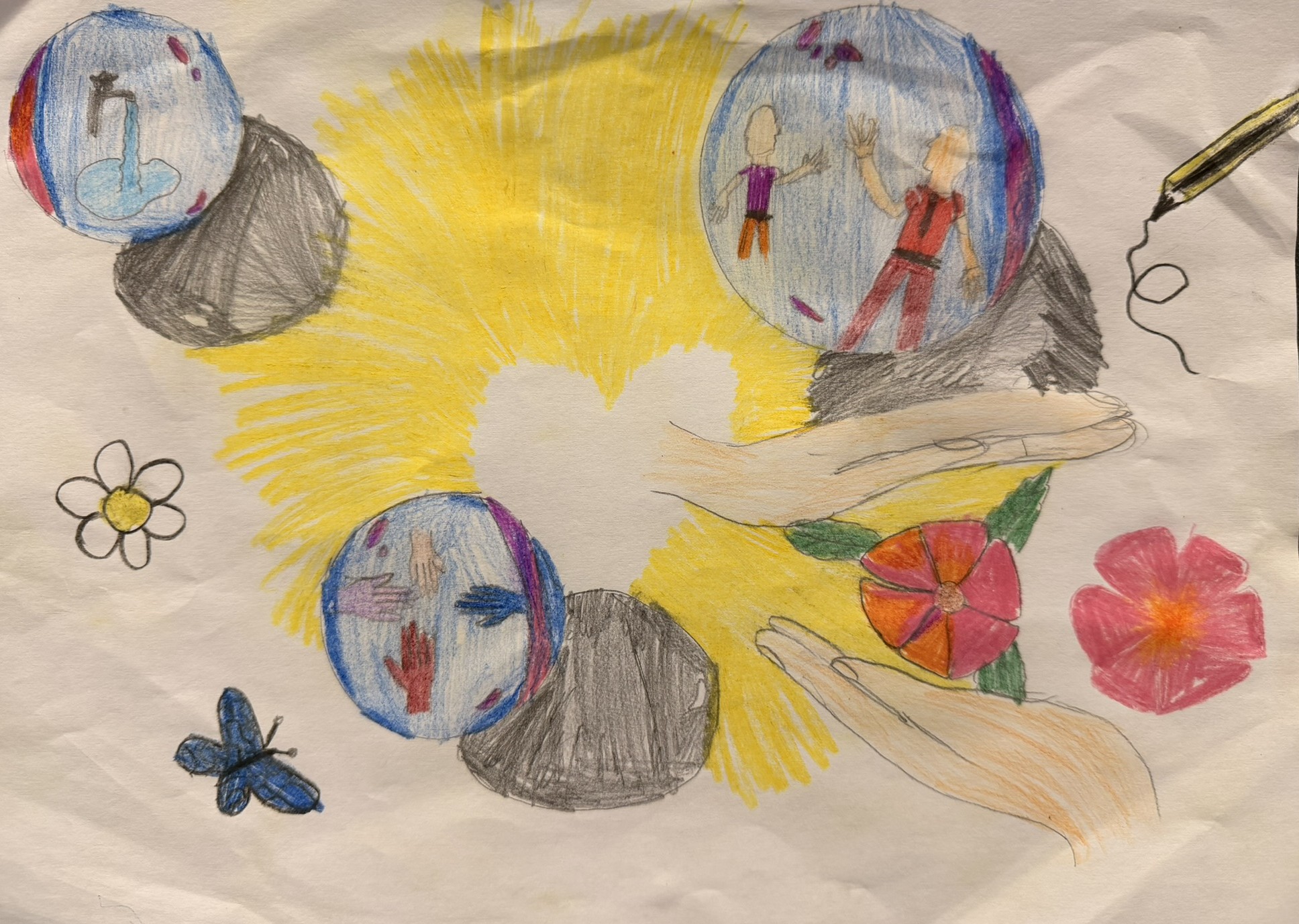
Subsidiarity involves making sure that decisions are made at the most appropriate level, so all those affected can contribute and have a voice. Everyone has important ideas and knows what is best for their families and communities. They need to have a say and the chance to influence outcomes.
Key Statement: We are called to empower communities, to let everyone have a say.
---------------------------------------------------------------------------------------------------------
Stewardship - Caring for creation
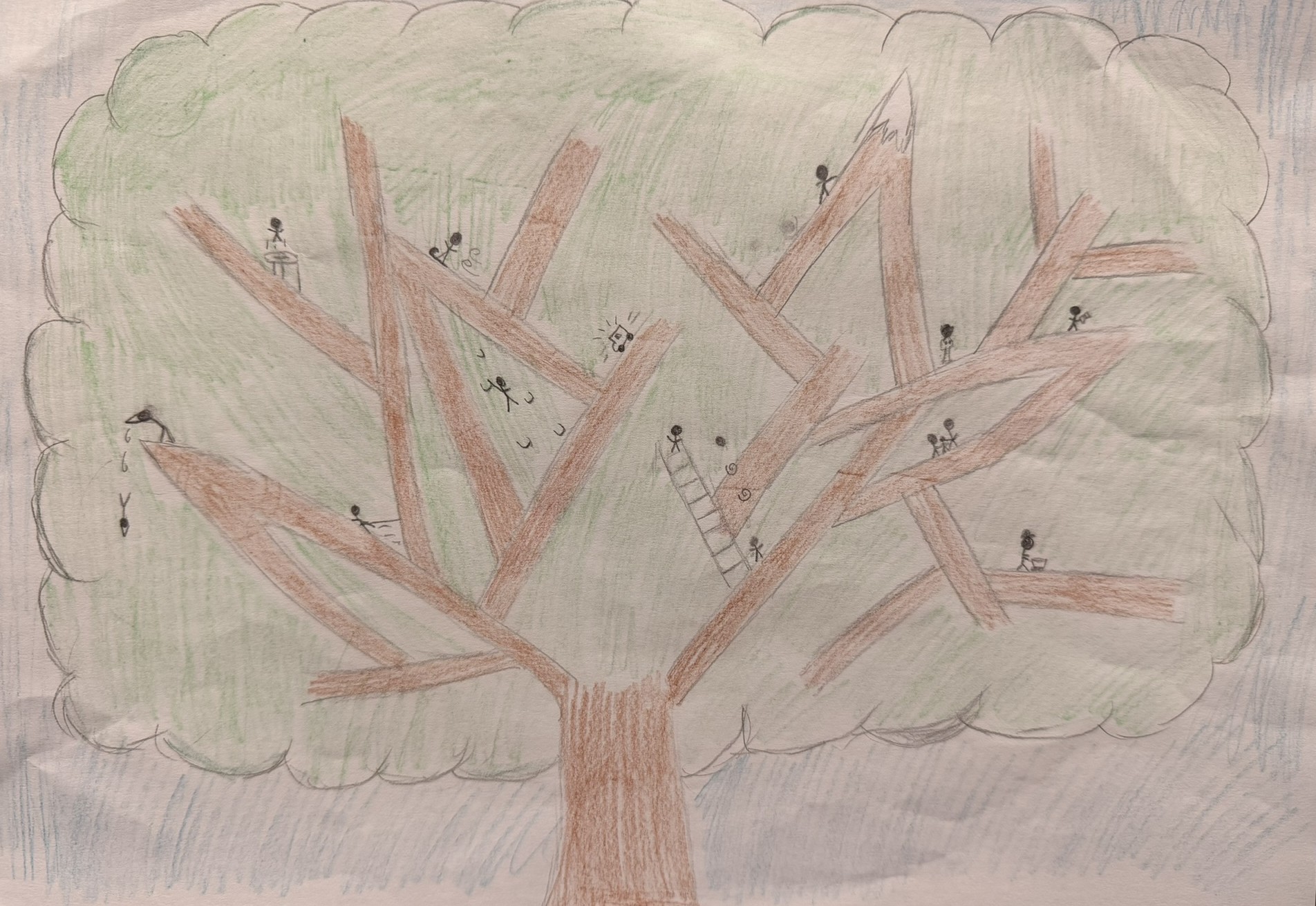
Stewardship is all about caring for the many gifts that God has given to us. These include our environment, our own talents and other resources. All living things are connected so we must use God’s gifts responsibly to meet the needs of everyone, now and in the future.
Key Statement: We are guardians of God's creation, living sustainably and enhancing the wellbeing of our planet.
---------------------------------------------------------------------------------------------------------
Solidarity - Showing we care
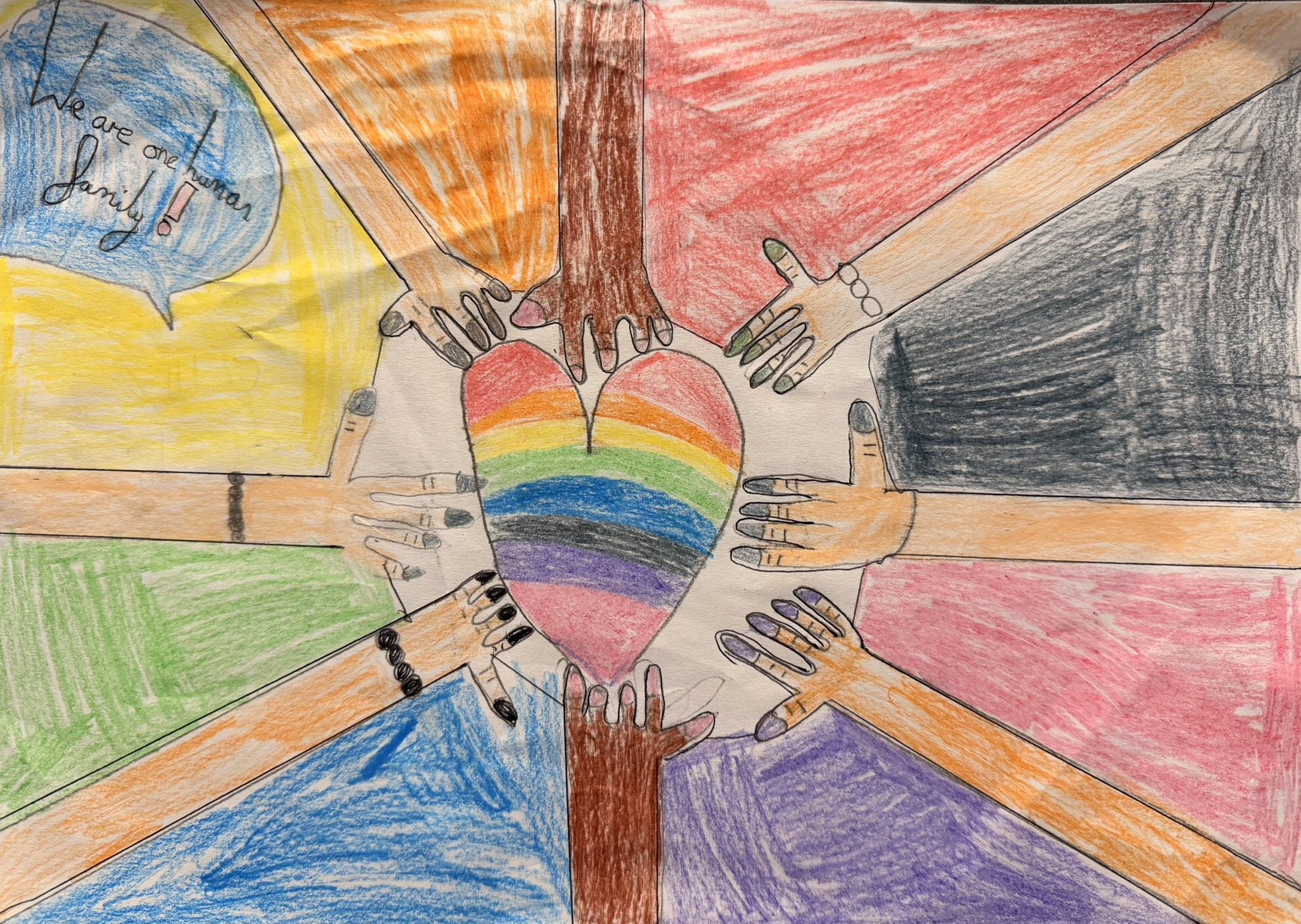
Being in solidarity is recognising others as our brothers and sisters and actively working for their good. We are connected to people and places all over the world.
Key Statement: God created us as one global family called to support our brothers and sisters.
---------------------------------------------------------------------------------------------------------
Preferential Option for the Poor - Putting people most in need first
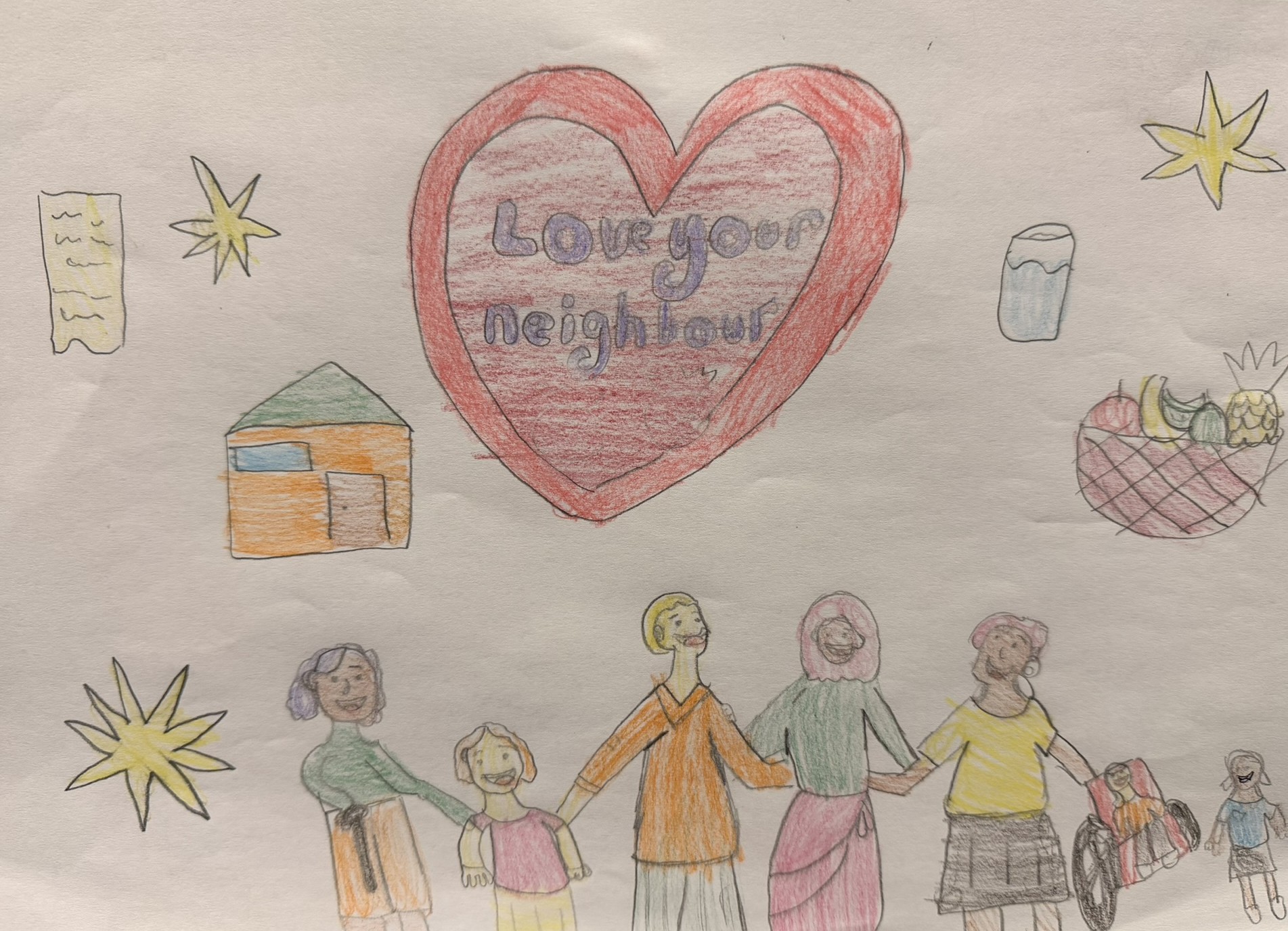
A preferential option for the poor means that we think first about the needs of those who are the most vulnerable. Jesus taught that when we feed the hungry, welcome the stranger, clothe the naked, look after the sick and visit those imprisoned, we are looking after Him.
Key Statement: The needs of poor and vulnerable people should be put first.
---------------------------------------------------------------------------------------------------------
Distributive Justice - Sharing fairly
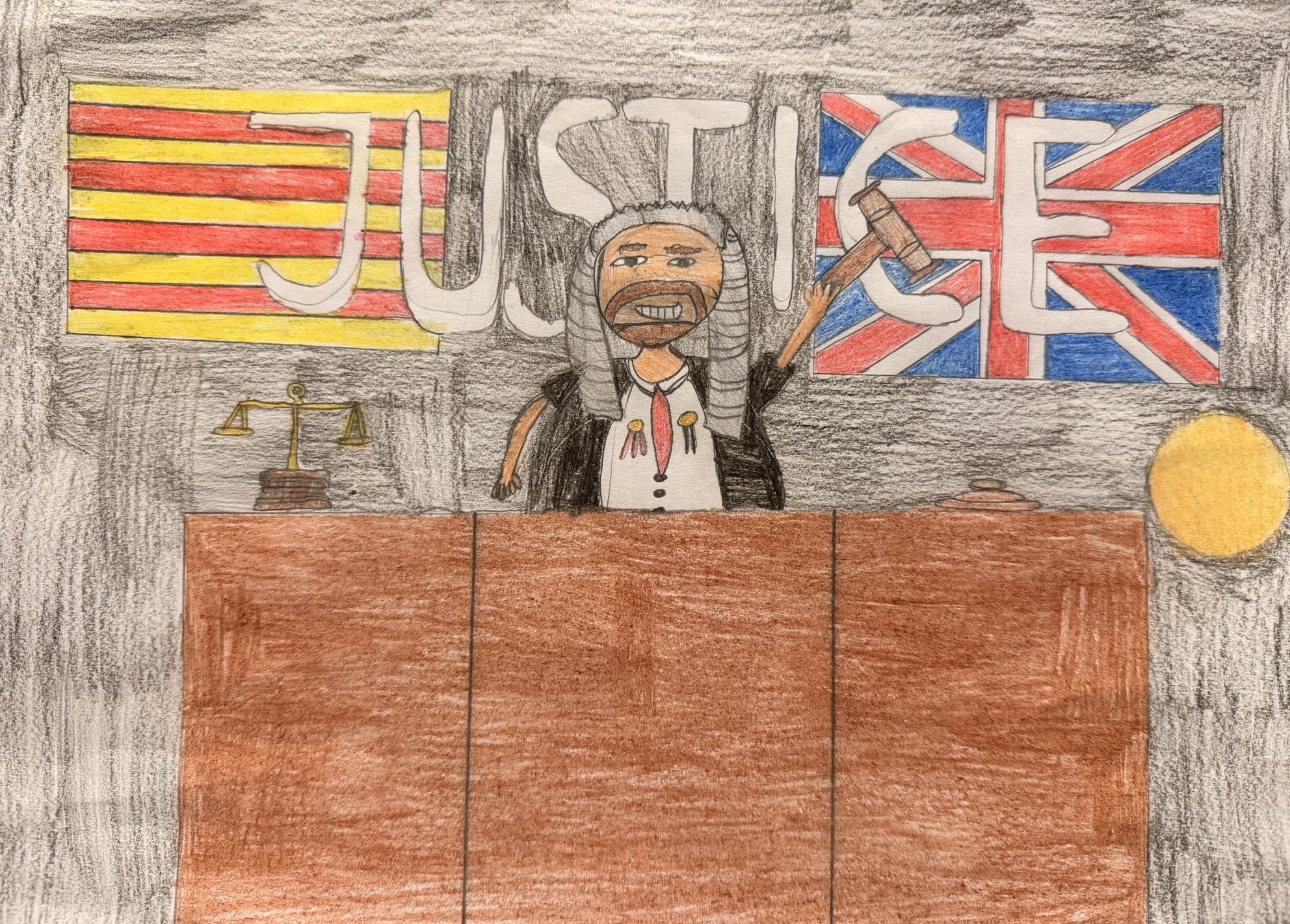
God’s plan was for all people to share in the goods of this world. This means that no person should struggle to have the basic necessities of life such as food, shelter and clothing. Distributive justice is all about fair allocation of resources (including income, goods and services).
Key Statement: Everyone should have access to their fair share of resources.
---------------------------------------------------------------------------------------------------------
Promoting Peace -
Being peacemakers
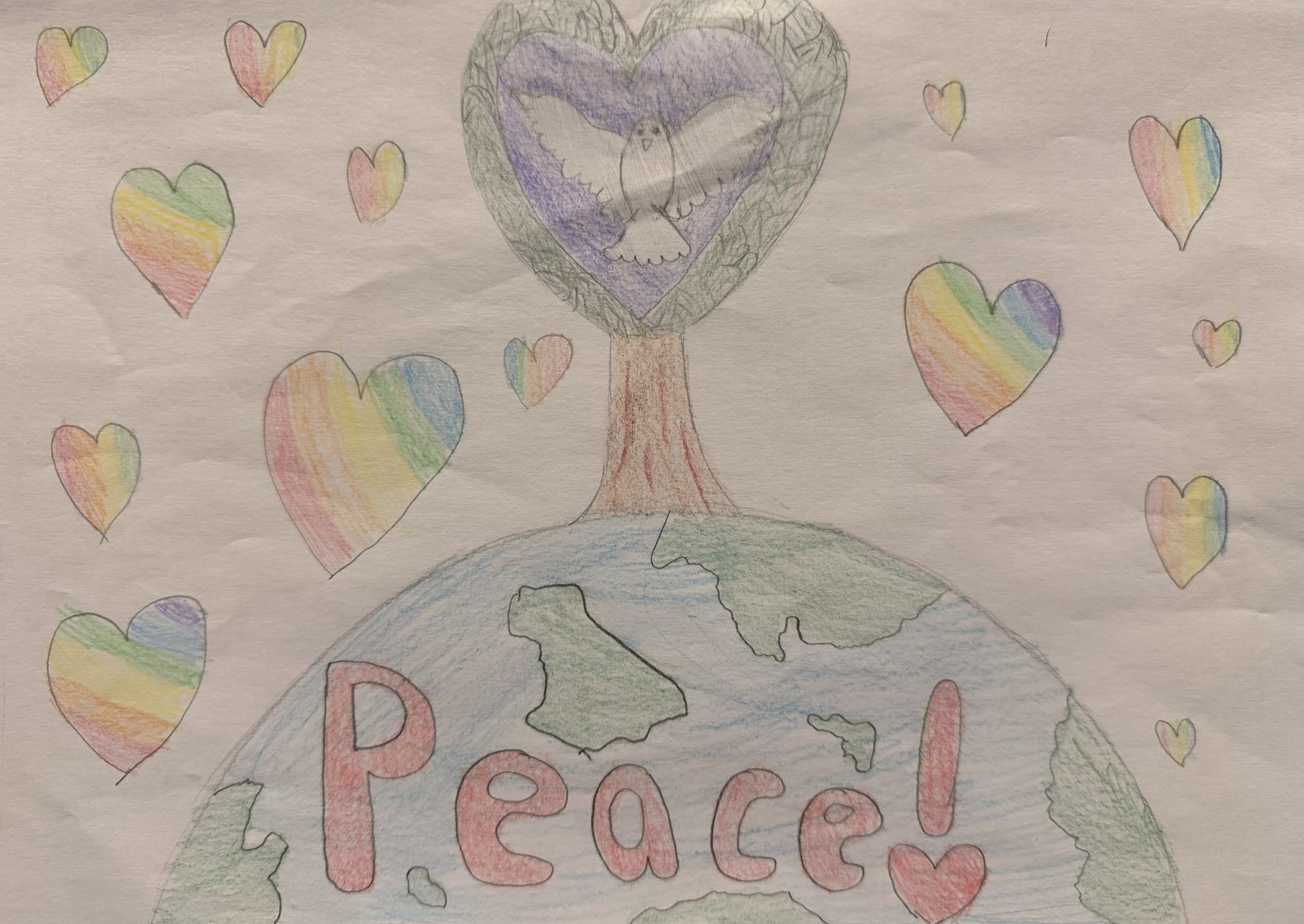
Peace is not just the absence of war. It is part of God’s nature, and a value we should all seek to live out in our daily lives. Peace comes from both justice and love and is dependent upon people understanding one another.
Key Statement: We can be God's instrument of peace through seeking justice.